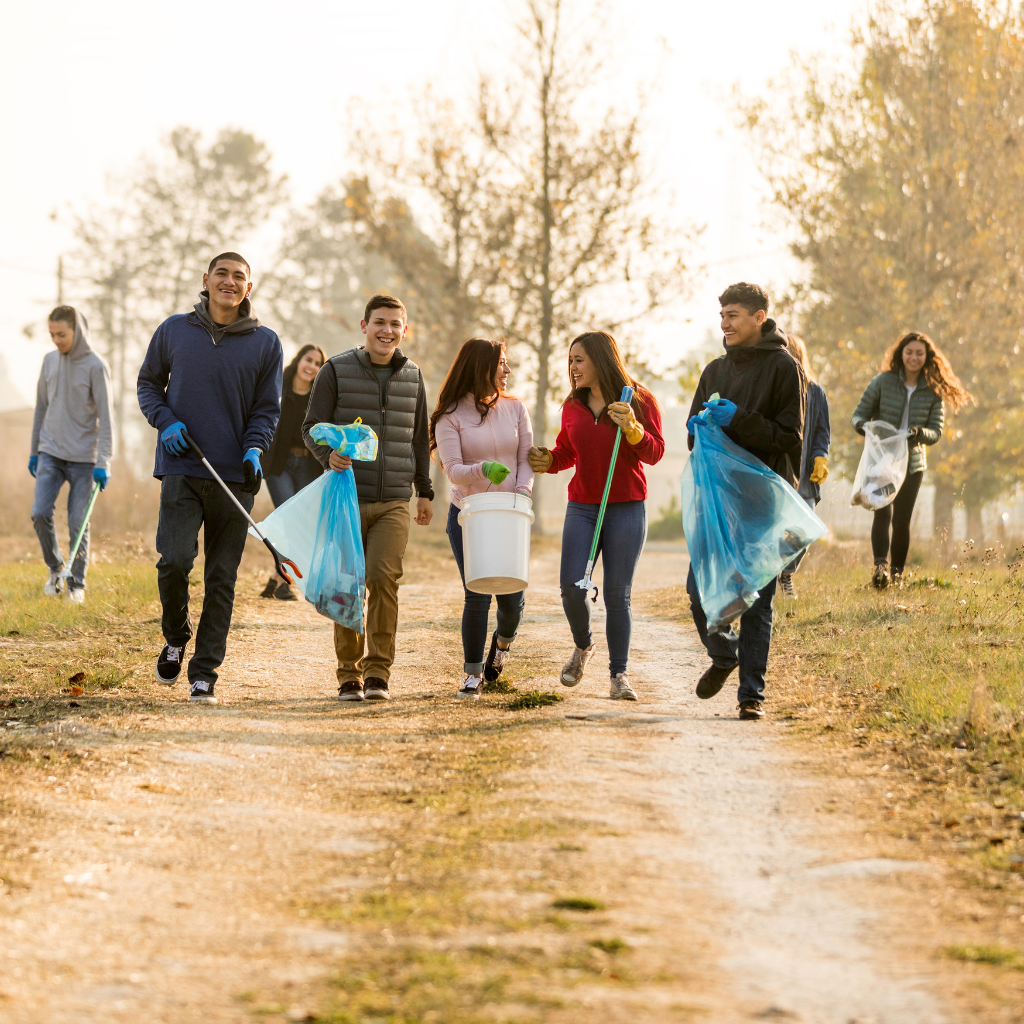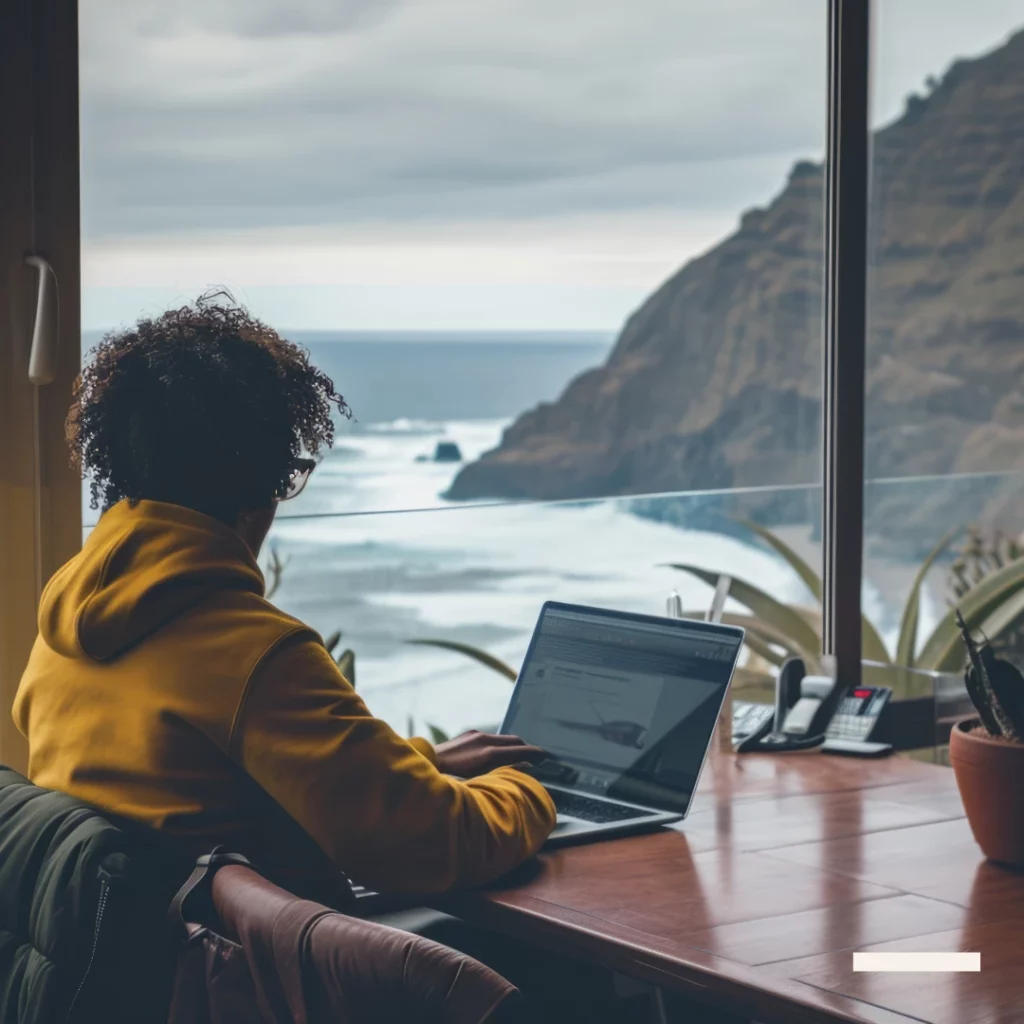

Travel is changing. In 2026, more digital nomads are questioning not only where they go — but how they travel.
Overtourism has put pressure on major cities and iconic destinations. Meanwhile, hundreds of rural communities across Europe and Spain remain invisible, often struggling with depopulation and loss of cultural heritage.
But there’s good news:
When done consciously, digital nomad travel can become a powerful tool to support local communities, strengthen rural economies, and preserve traditions.
Here’s how.
—
Why Supporting Local Communities While Traveling Matters
Tourism can either extract value from a place — or contribute to it.
In many saturated destinations, short-term stays increase rental prices, overload infrastructure, and create little long-term benefit for residents.
Rural areas, however, present a different opportunity.
When digital nomads choose lesser-known territories and engage meaningfully, they can:
✔️Diversify the local economy
✔️Support small businesses year-round
✔️Share knowledge and skills
✔️Contribute to cultural continuity
✔️Help communities remain in their territory
The key is intentional travel.
—-
Choose Rural and Low-Tension Destinations
The first way to support local communities is simple: go where your presence adds value, not pressure.
Instead of choosing already saturated hubs, look for:
➡️Small villages with basic infrastructure
➡️Regions facing depopulation
➡️Destinations actively welcoming remote workers
➡️Places where housing supply is not under stress
By redistributing mobility, digital nomads help balance territorial inequality.
And often, they discover something deeper: authenticity, slower rhythms, and real human connection.
—
Stay Longer, Travel Slower
Short stays generate consumption.
Longer stays generate relationships.
When digital nomads spend 1–3 months in a rural area, they:
✅Build trust with residents
✅Integrate into daily life
✅Become recurring customers
✅Participate in community events
✅Slow travel reduces environmental impact and increases social contribution.
In rural communities, continuity matters more than intensity.
—
Support the Local Economy Directly
One of the most effective ways to help rural areas is to keep your spending local.
Prioritize:
💡Family-run accommodations
💡Local grocery stores and markets
💡Artisans and traditional producers
💡Local cafés and coworking spaces
💡Regional guides and activity providers
💡Avoid extractive booking platforms when possible and choose direct relationships.
Your daily decisions shape the local economy.
Share Skills and Knowledge
Digital nomads bring something incredibly valuable to rural territories: knowledge.
Many small communities lack access to:
Digital marketing skills
Website development
Language exchange
Business mentoring
Online tools
Voluntarily offering a workshop, mentoring a young entrepreneur, or collaborating with a local initiative can create long-term impact.
The exchange doesn’t need to be formal — it needs to be respectful.
Engage with Cultural Traditions Respectfully
Rural traditions are not performances — they are living heritage.
To contribute positively:
✅ Attend local festivals as participants, not spectators
✅ Learn about local history
✅ Buy handmade products instead of souvenirs
✅ Respect agricultural cycles and community rhythms
✅ Ask before documenting or sharing cultural elements online
Preservation begins with respect.
When digital nomads value traditions, they reinforce their continuity.
Avoid Housing Displacement
One of the main criticisms of digital nomadism is housing pressure.
In rural areas, this can be avoided by:
➡️Choosing vacant properties
➡️Staying in accommodations designed for temporary stays
➡️Avoiding long-term rentals that remove housing from residents
➡️Ensuring your presence aligns with community needs
Responsible mobility requires awareness.
How Digital Nomads Can Help Preserve Rural Traditions
Traditions survive when communities remain economically viable.
When remote workers:
💡Spend locally
💡Build relationships
💡Share knowledge
💡Respect identity
💡Stay longer
They help create economic stability that allows families to remain in their territory.
And when communities remain, traditions remain.
This is not about “saving” rural areas.
It’s about mutual exchange.
Travel That Builds, Not Destroys
At Knowmad Tribe, we believe that travel should strengthen places, not weaken them.
We design remote work experiences in low-tension territories where:
💟Digital nomads integrate into community life
💟Local culture is respected and valued
💟Economic impact remains in the territory
💟Exchange flows both ways
Because your journey should build, not displace.
Supporting local communities while traveling is not complicated.
It requires intention, time, and humility.
Rural areas are not empty spaces waiting to be filled — they are living territories with history, identity, and resilience.
As digital nomadism evolves, the question is no longer:
“Where can I work remotely?”
But rather:
“Where can my presence make sense?”
If you’re ready to experience remote work in a way that contributes to the places you visit, explore how Knowmad Tribe connects global talent with rural communities — responsibly, respectfully, and sustainably.
👉 Discover how your remote journey can help keep places alive.